
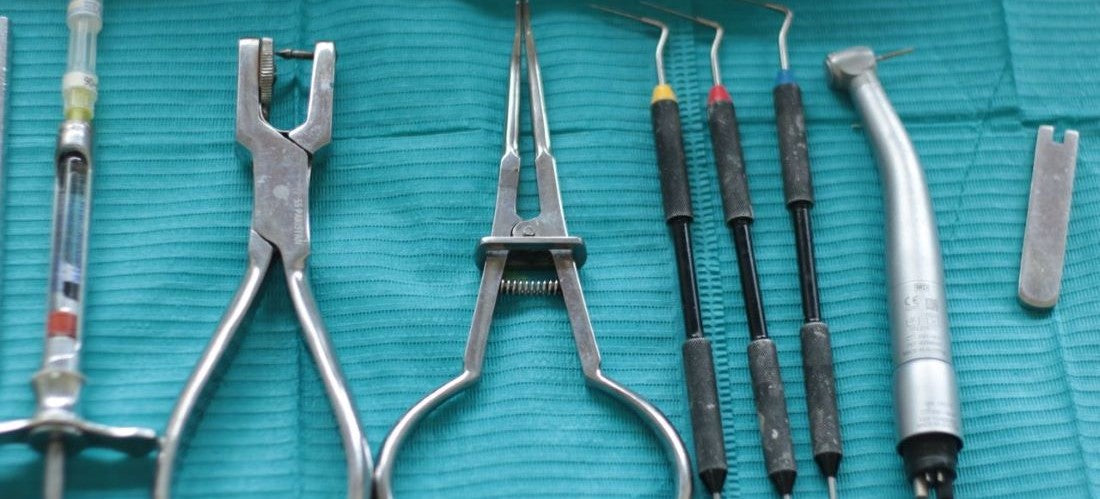
Every practice budget conversation eventually runs into the same confusion: Is a new operatory chair "equipment" or an "instrument"? The distinction isn't just semantic. Understanding dental equipment & instruments as two separate purchasing categories changes how you budget, how often you reorder, and how you prioritize spending when cash flow is tight. This guide breaks down what belongs in each category and how to buy dental equipment & instruments without overspending on the wrong priorities first.
What Counts as Dental Equipment?
Dental equipment refers to the larger, higher-cost assets that form the physical backbone of a clinical operatory. These are capital purchases, not consumables, and they're built to last for years, sometimes a decade or more, before replacement makes financial sense.
Common examples include:
-
Operatory chairs and delivery systems
-
Dental units and vacuum/suction systems
-
Sterilization equipment (autoclaves, ultrasonic cleaners)
-
Imaging tools such as intraoral X-ray sensors and panoramic units
-
Curing lights and larger diagnostic devices
Because equipment carries a higher price tag and a longer service life, purchasing decisions here tend to involve financing, warranty comparisons, and service contracts. A practice owner evaluating a dental equipment supplier should weigh installation support and long-term parts availability just as heavily as the sticker price. Browsing a dedicated dental equipment collection makes it easier to compare units side by side before committing capital.
What Counts as Dental Instruments?
Dental instruments are the smaller, hand-held tools used chairside, day in and day out, for direct patient care. Unlike equipment, most instruments are either single-use disposables or reusable items that go through frequent sterilization cycles between patients.
Typical categories include:
-
Explorers, mirrors, and periodontal probes
-
Extraction forceps and elevators
-
Scalers and curettes for hygiene visits
-
Restorative hand instruments (spatulas, carvers, condensers)
Because these tools are in constant use and wear, practices need to purchase dental instruments on a recurring schedule rather than as a one-time capital decision. A hygienist replacing a worn scaler tip or an associate restocking burs for the week isn't making a strategic budget call; they're maintaining daily operational readiness. Stocking up with an organized dental instrument collection keeps the reorder process simple and predictable.
Dental Equipment vs. Instruments: Key Differences
Once you separate the two categories of dental equipment & instruments, a few clear patterns emerge that should guide how your practice budgets and reorders.
Cost
Equipment purchases typically run into the thousands or tens of thousands of dollars per unit. Instruments are usually priced per piece or per kit, often in the tens to low hundreds of dollars.
Frequency of use
Instruments are handled dozens of times per day across multiple patients. Equipment, while used constantly in a functional sense (a chair is "in use" all day), is not something you handle or replace daily.
Lifespan
A well-maintained dental unit or sterilization system can last 7 to 15 years with proper servicing. Instruments have a much shorter functional life, especially anything with a cutting edge or moving joint, and require regular replacement even with careful sterilization protocols.
Sterilization demands
Instruments undergo autoclave cycles multiple times a day and must withstand repeated exposure to heat and pressure without degrading. Equipment surfaces are wiped down and disinfected between patients but are not run through a sterilizer.
Purchasing priority
Equipment decisions are infrequent, high-stakes, and usually involve comparing brands, financing terms, and service agreements. Instrument purchases are routine, lower-risk, and driven by inventory thresholds rather than long-term capital planning.
Recognizing these differences is the foundation of smart procurement. Treating a $150 elevator set and a $4,000 curing system as the same type of purchase decision leads to either overspending caution on cheap items or under-scrutinizing expensive ones.
How to Decide What to Buy First
When the budget is limited, whether you're opening a new operatory or simply reallocating quarterly spend, prioritization matters. A few questions can help clarify where to buy dental equipment & instruments first:
What does your procedure mix require right now?
A practice adding endodontic procedures needs specific hand instruments and possibly an apex locator before anything else. A practice expanding hygiene capacity needs another operatory setup, which leans heavily toward equipment.
What's currently limiting patient throughput?
If chairs sit empty because sterilization turnaround is too slow, an additional autoclave (equipment) solves more of a bottleneck than another set of scalers.
What's near the end of life?
Instruments showing pitting, dulling, or joint stiffness should be replaced before they compromise a procedure. Equipment nearing the end of its warranty or showing frequent service calls should be evaluated for replacement before it fails mid-procedure.
What's the actual budget window?
Equipment often requires financing or a larger single outlay, while instrument restocking can be spread across smaller, more frequent orders that are easier to absorb into monthly operating costs.
New practice owners setting up an operatory from scratch typically need to secure core dental equipment first (chair, delivery unit, sterilization) before filling out the dental instruments tray inventory that supports daily procedures. Established practices, by contrast, usually have equipment in place and are managing an ongoing cycle of instrument replacement and calibration checks.
For a broader look at building out a full practice order, our complete guide to buying dental supplies walks through the entire procurement process from initial setup through ongoing reorder cycles.
Where to Buy Dental Equipment and Instruments Without Overpaying
Price is only one factor when choosing where to shop for dental equipment & instruments. A few criteria separate a reliable dental equipment supplier from one that creates downstream headaches.
Product quality and regulatory compliance
Instruments and equipment should meet applicable regulatory standards for the US and Canadian markets. Cutting corners here risks both patient safety and practice liability.
Transparent, competitive pricing
Watch for suppliers who bury shipping costs or require account minimums that don't fit your practice size. A dependable dental equipment supplier makes pricing clear at checkout, without hidden fees that inflate the final cost.
Shipping reliability
Equipment installations and instrument restocking both depend on predictable delivery timelines. Cross-border shipping delays between the US and Canada can stall an operatory buildout or leave a hygiene schedule short on sterile instruments.
Bulk-buying support
Practices managing multiple operatories or a growing associate roster benefit from suppliers that support volume ordering on instruments without forcing a full equipment-scale purchase process for routine restocks. For a higher-volume procurement strategy, our wholesale dental supplies guide covers how to structure bulk orders effectively.
Responsive customer service
When equipment needs a replacement part or an instrument order arrives incomplete, a supplier's responsiveness determines how much downtime your practice absorbs.
Alpine Dental Inc supports both sides of this purchasing equation, offering a browsable collection of equipment and instruments that lets procurement staff compare capital purchases and daily-use restocks in one place, without switching between separate catalogs or suppliers. It's a straightforward way to buy dental equipment & instruments from a single, organized source.
Frequently Asked Questions
What is considered dental equipment?
Dental equipment refers to larger, higher-cost clinical assets such as operatory chairs, delivery systems, sterilization units, and imaging devices. These are capital purchases meant to last several years, distinct from the smaller hand tools used directly on patients.
What are dental instruments used for?
Dental instruments are the hand-held tools used chairside for direct patient care, including scalers, mirrors, explorers, forceps, and restorative hand tools. They see frequent daily use and require regular sterilization or replacement.
How expensive is dental equipment?
Dental equipment pricing varies widely by category and brand, generally ranging from a few thousand dollars for smaller units to significantly more for full operatory setups or advanced imaging systems. Financing and service contracts often factor into the total cost of ownership.
H3: How do I choose quality dental instruments for my practice?
Look for instruments that meet applicable regulatory standards, withstand repeated sterilization cycles, and come from a dental equipment supplier with a track record of consistent quality. Testing a small batch before committing to a bulk order is a practical way to confirm fit and durability.
Should I buy dental equipment or instruments first?
It depends on your current setup. New practices typically need core equipment in place before building out instrument inventory, while established practices usually focus on ongoing instrument replacement since their equipment is already installed.
Where can I buy affordable dental equipment and instruments online?
Practices can buy dental equipment and dental instruments through established dental supply distributors that offer transparent pricing, reliable cross-border shipping, and organized collections for both equipment and instrument categories, making it easier to compare options before ordering.
Ready to Restock or Upgrade Your Operatory?
Whether you're comparing capital equipment purchases or restocking daily-use hand tools, having a single, organized source simplifies procurement. Explore the full range of clinical dental equipment & instruments at Alpine Dental Inc, or reach the team directly at info@alpinedentalshop.com or 718-972-4571 with specific sourcing questions.